

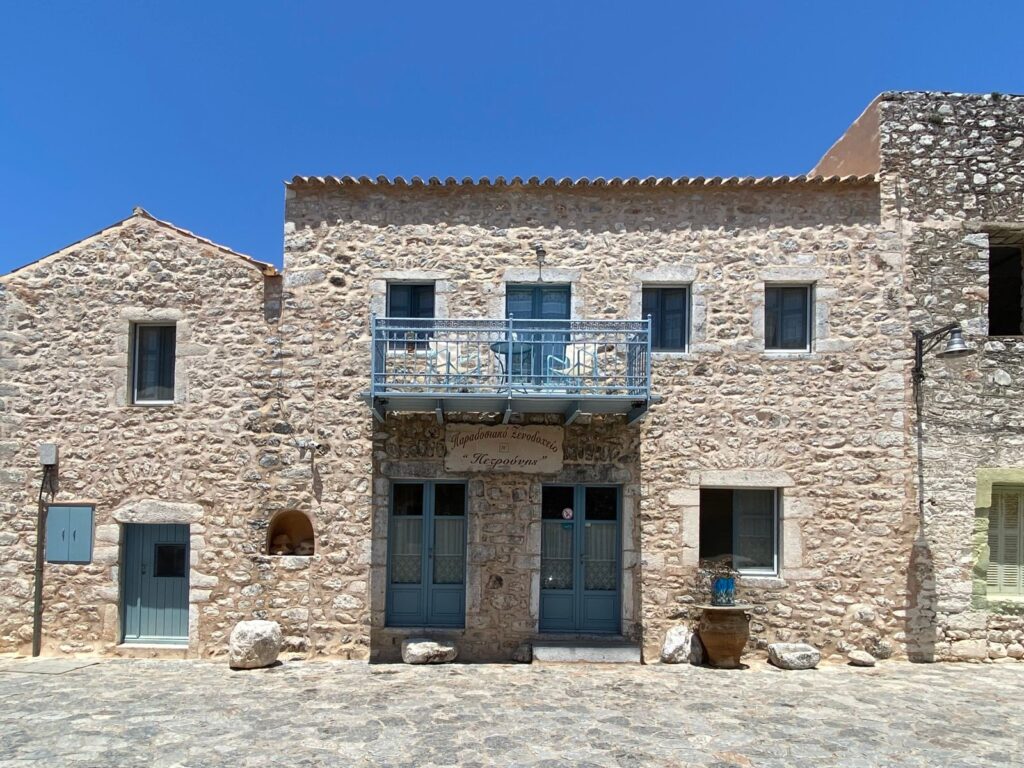
Greece’s property tax (ENFIA) exemption for main homes in settlements of up to 2,000 residents is now law. It is Article 15 of Law 5355/2026, published in the Government Gazette on 13 November 2026 (ΦΕΚ Α’ 188/13.11.2026), and it applies from 2027.
We reported the provision when it was in the bill tabled on 3 November. The published law keeps the same population and value limits.
Who qualifies
The exemption covers individuals who are tax residents of Greece, and only their main residence. The settlement must have no more than 2,000 residents at the most recent census. The limit was 1,500.
A higher limit of 2,200 residents, up from 1,700, applies in the Region of Western Macedonia and in the border regional units of Central Macedonia, Eastern Macedonia and Thrace, and Epirus, according to the text voted by Parliament.
The home’s full value for ENFIA purposes must not exceed €400,000. Settlements in the Attica Region are excluded, except those in the Islands regional unit of Attica.
Which home counts as the main residence is taken from the property ownership and management register (MIDA) kept under Article 15B of the Tax Procedure Code (Law 5104/2024). Article 15 amends Article 10(1)(ια) of the Property Tax Code (Law 5219/2025).
What it means for buyers
The exemption depends on Greek tax residence and a main home. An owner who is not a Greek tax resident and keeps a holiday house in a village does not qualify. It is relevant to buyers who move to Greece and make a village house their main residence, and to members of the diaspora who return. Buyers should confirm how this applies to them with a Greek lawyer or accountant.
What happens next
The law took effect on publication, and Article 15 itself sets 2027 as the first year of the wider exemption. The same law raises transfer tax on homes to 15% for buyers who are tax residents outside the EU and EEA, for final contracts from 1 July 2027, as we reported.